x

What is the difference between a loan company and a bank?

Banks receive and process deposits and withdrawals. They safeguard your money for you. Banks also give out loans, but they are not the same as loan companies. 

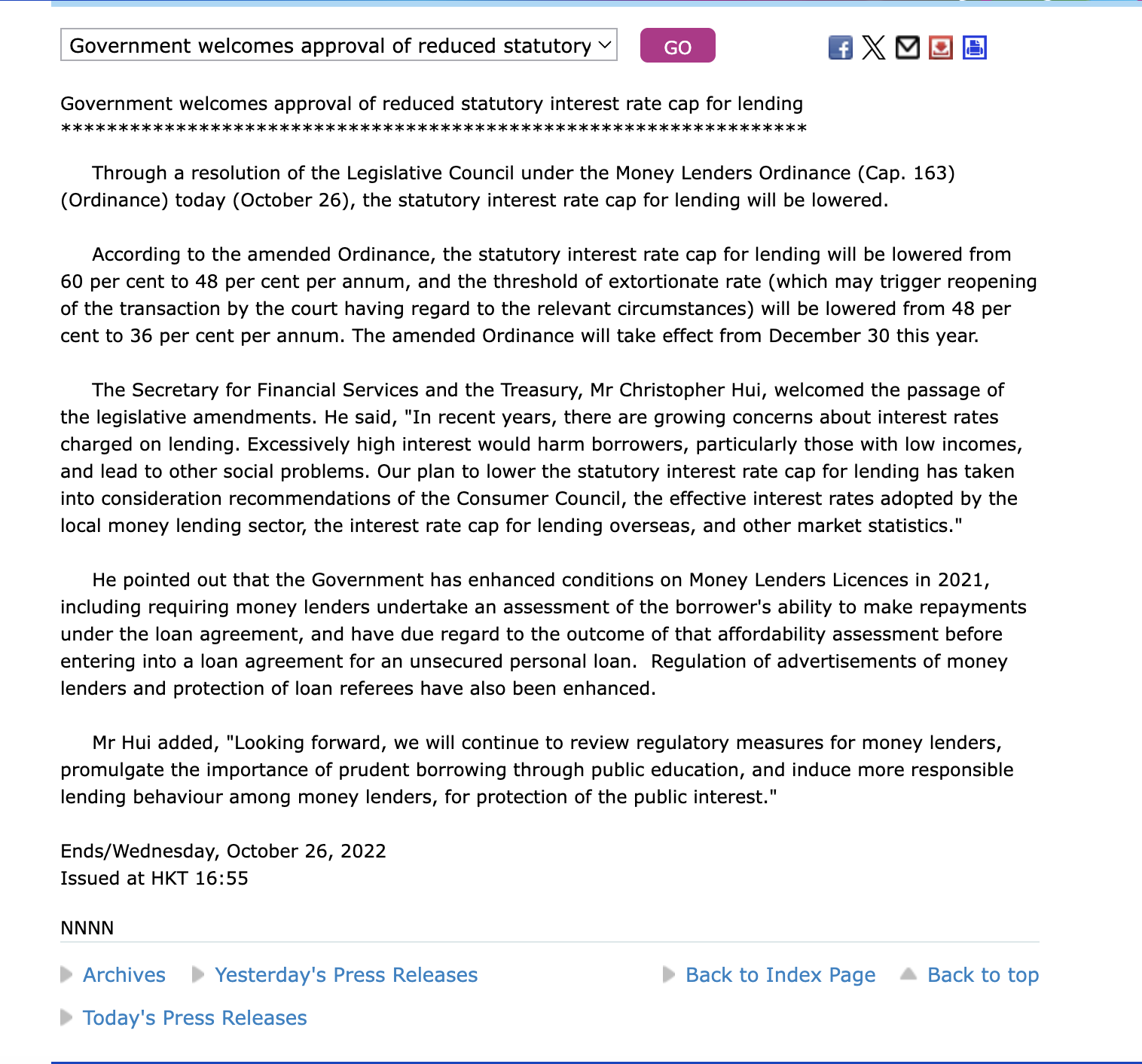
Loan companies give out loans only (they do not safeguard your money) and will require you to make repayments for your loan. Loan companies usually charge higher interest rates than banks, so be careful not to get confused with the use of the term “bank” to refer to loan companies.

Many loan companies create special offers targeted specifically to migrant domestic workers that try to tempt you into taking out a loan. Be very careful as the terms can often be unfair or illegal.

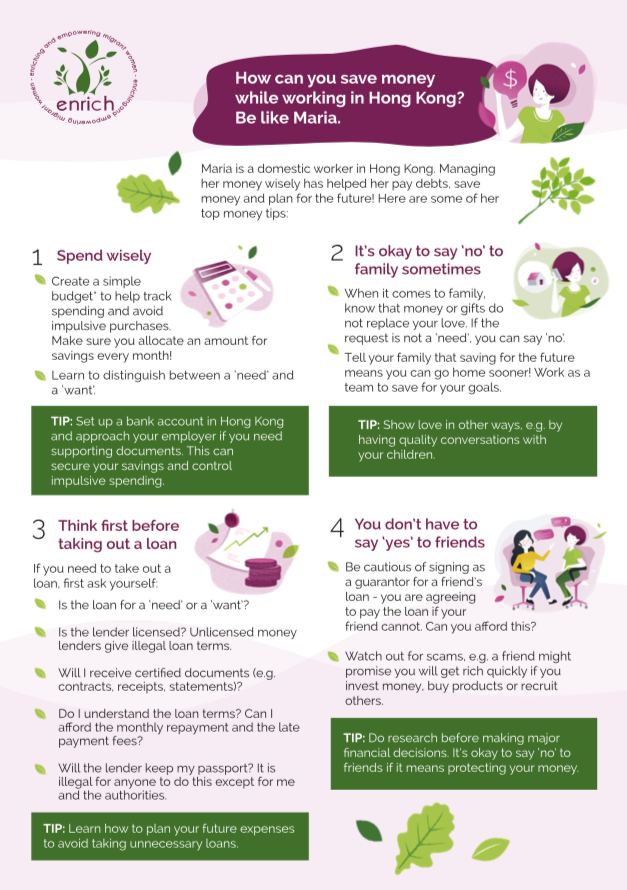
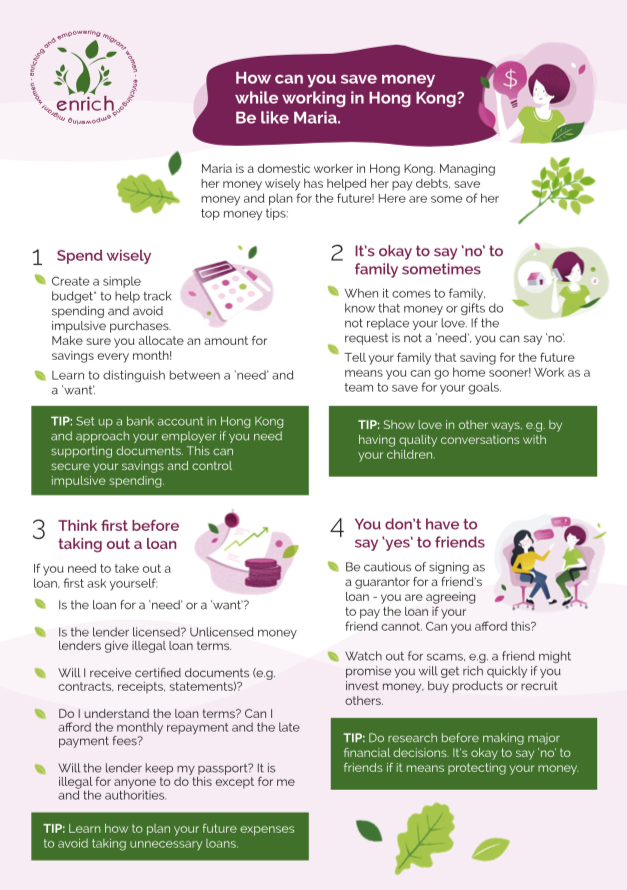
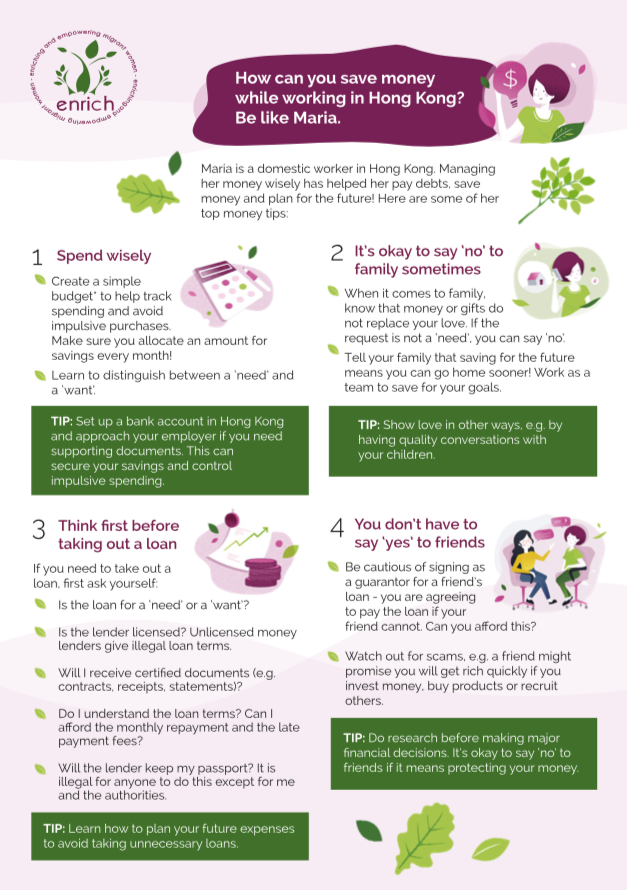
Think first before taking out a loan

If you do feel you have to take out a loan, explore several options and choose a loan company which you feel comfortable with and which offers you fair terms. We encourage you to consider lending from an ethical source. As much as possible, avoid getting into a cycle of debt and make sure you are protected. Before signing a loan, first ask yourself:

  • Is the loan for a ‘need’ or a ‘want’?

  • Is the lender licensed? Unlicensed money lenders give illegal loan terms.

  • Will I receive certified documents (e.g. contracts, receipts, statements) for my records?

  • Do I understand the loan terms? Can I afford the monthly repayment and the late payment fees?

  • Will the lender keep my passport? It is illegal for anyone to do this except for me and the authorities. 

Learn how to plan your future expenses to avoid taking unnecessary loans through our Money Wise Migrants workshop

What should I do if my employment agency is overcharging me?

If seeking employment while in Hong Kong

If you are already in Hong Kong, you can legally be charged 10% of your first month’s salary for recruitment fees after successful placement, according to the Hong Kong Labour Department. If you are being charged more or if you are unsure about whether the employment agency is acting legally, speak to the Labour Department and your consulate. 

You can call the Labour Department’s hotline at +852 2157 9537 (dial Ext. ‘11’ for English, Ext. ‘17’ for Bahasa Indonesia and Ext. ‘19’ for Tagalog). 

You can also call the Indonesian Consulate at +852 6773 0466 or the Philippine Consulate at +852 9155 4023.

It might feel a bit scary to report the employment agency, and you might feel worried about your job security, but it is better to take action early on - paying very high illegal fees now can lead you into a cycle of debt, which can take a long time to escape. If you have already signed the contract with an employer, perhaps you could inform your employer about the agency charging you illegal fees. They might be able to provide help or support.

If seeking employment from the Philippines

If you are applying from the Philippines, it is not legal for employment agencies to charge any placement fees for domestic worker jobs in Hong Kong. If you’re asked to pay for this, refuse to pay. However, most agencies are aware of the law and instead of placement fees, they might charge you high training fees, medical fees and other fees for processing the visa. These fees are not regulated and agencies may charge very high fees, for example PHP 150,000; in reality these costs should not be more PHP 15,000 - PHP 20,000. Be aware that if you’ve already taken the TESDA you do not have to take the training again - you can just take the exam if your certificate is no longer valid.

If seeking employment from Indonesia

If you are applying from Indonesia, employment agencies are allowed to charge a maximum recruitment fee of IDR 14,780,400 for domestic worker jobs in Hong Kong. This should include all the costs of training, insurance, the medical and paperwork processing. In reality many domestic workers are told to pay more than this fee. If your agency is charging you more, you can refuse to pay this.

For any fees that you pay to your employment agency, always ask for a written receipt and double check that what is written on the receipt is correct.

What do I do if my employment agency is pressuring me to take out a loan?

No one can pressure you to take out a loan. The decision is entirely yours to make. Your employment agency provide you with a job, but they cannot force you to sign with a loan company. You should be cautious early on in the employment/loan process and do not be afraid to ask questions. 

Here are some other points to consider.

Is this legal?

According to the Hong Kong Labour Department, you can legally be charged 10% of your first month’s salary for recruitment fees after successful placement. If you are being charged more or if you are unsure about whether the employment agency is acting legally, speak to the Labour Department and your consulate. The Labour Department’s hotline is +852 2157 9537 (Dial Ext. ‘11’ for English, Ext. ‘17’ for Bahasa Indonesia and Ext. ‘19’ for Tagalog)

Know your rights

The ‘Understanding Your Rights’ manual by charity HELP for Domestic Workers provides detailed information on your rights and what you can do if they are not being respected. You can seek legal advice from charities HELP for Domestic Workers or Mission for Migrant Workers, or visit a district office of the Duty Lawyer Service for free legal support.

Speak to your employer

Before taking out a loan (whether you need the money to pay off your recruitment or other fees), try to include your employer in the conversation if possible - they might not be aware that you are being charged for recruitment or might be able to offer you support.

Think first before taking out a loan

If you do feel you have to take out a loan, know that you do not have to choose the loan company that your employment agency is referring you to. You can explore other options and choose a loan company which you feel comfortable with and which offers you fair terms. We encourage you to consider lending from an ethical source. As much as possible, avoid getting into a cycle of debt and make sure you are protected from risk. Before signing a loan, first ask yourself:

  • Is the loan for a ‘need’ or a ‘want’?

  • Is the lender licensed? Unlicensed money lenders give illegal loan terms.

  • Will I receive certified documents (e.g. contracts, receipts, statements) for my records?

  • Do I understand the loan terms? Can I afford the monthly repayment and the late payment fees?

  • Will the lender keep my passport? It is illegal for anyone to do this except for me and the authorities.

What can I do if I am being harassed or abused at work?

For immediate help call:

  • 999 - Hong Kong Police to report physical abuse.

  • 18281 - 24-hour hotline of the CEASE Crisis Centre for assistance on sexual assault, sexual violence, domestic violence etc.

  • 2375 5322 - Hotline for Rainlily, a charity providing support to victims of sexual violence.

If you experience any sexual violence, harassment or discrimination, you need to say NO firmly, write down what happened, talk to someone about it and get help. You are not alone in this. Sexual harassment, sexual discrimination and abuse are NOT your fault and they are illegal offences in Hong Kong.

The ‘Understanding Your Rights’ manual by charity HELP for Domestic Workers provides detailed information on your rights and what you can do if they are not being respected. You can seek legal advice from charities HELP for Domestic Workers or Mission for Migrant Workers, or visit a district office of the Duty Lawyer Service for free legal support.

Attend our Speak Up workshop to help you gain the confidence to speak up against harassment and abuse.

Am I entitled to overtime pay and days off?

Overtime pay and bonuses are discretionary. It is best to discuss work hours and overtime pay with your employer before signing your contract so that you each have a clear understanding of work hour expectations and the rest you are entitled to. 

You are entitled to one full day’s rest (24 hours) every 7 days and 12 statutory holidays a year. Your employer cannot force you to work on your rest day and holidays. Your employer can give you a day off instead of a statutory holiday but cannot legally pay you to work on a statutory holiday. Find out more at the Labour Department’s Foreign Domestic Helper’s Corner.

If you have any questions about your employment contract/conditions contact the Labour Department’s hotline at +852 2157 9537 (Dial Ext. ‘11’ for English, Ext. ‘17’ for Bahasa Indonesia and Ext. ‘19’ for Tagalog).

How much is the minimum wage and food allowance for migrant domestic workers?

According to the Hong Kong Labour Department, the minimum wage for migrant domestic workers is HK$5,100 for contracts signed on or after 30 September 2025. It is illegal for an employer to pay a wage below this minimum amount. It is also illegal for you and your employer to agree on a wage that is less than the minimum wage.

You are entitled to a food allowance of HK$1,236 per month if your employer does not provide you with free food. This is in compliance with section 5(b) of your standard employment contract. 

Please read your contract carefully before signing to make sure that you will be paid the correct amount for your salary.

If an employer insists on paying you less than the minimum wage, if you are not receiving your rest days or if you have any other questions about your employment contract/conditions contact the Labour Department’s hotline at +852 2157 9537 (Dial Ext. ‘11’ for English, Ext. ‘17’ for Bahasa Indonesia and Ext. ‘19’ for Tagalog).

How can I give gifts on a budget?

Gift giving doesn’t need to be pricey, stressful or financially straining. Remember also that money or gifts do not replace your love, even if you’ve been away from your family for a long time. 

If you’re going home for a holiday or special occasion, do not take out a loan to buy expensive presents or gadgets - this can take you further away from future goals. Instead, consider the following points:

  • Know what you can comfortably give: Keep in mind the goals you have set out to save towards and don’t feel bad if what you give is not on their wish list. 

  • Plan ahead: Make sure to stick to a monthly budget that sets aside some money for gift or holiday spending so that the giving-season doesn’t come as a stressful surprise.

  • Know your options: Take time to check different options for your gift. Perhaps there is better quality or a better deal out there. Also consider if your gift can be valued as a second-hand or self-made item.

  • Encourage interests or hobbies: Consider gifting classes, equipment, or instructional books in the area of your loved one’s interest. Support their curiosity for learning and it will become a gift that just keeps giving.

  • Up-cycle: Refrain from buying brand new items and see if you can take an environmentally friendly approach by refreshing a second-hand item.

  • Go back to the basics: At the foundation of gift giving, it’s all about expressing sincere thought and love. Send a handwritten Christmas card via traditional post, and make your own gifts –the personal touch speaks volumes.

  • Give new memories: If you are able to go back to spend the holiday season with your loved ones, spending quality time with them is the best gift. It doesn’t have to be an expensive affair either. Take advantage of the great outdoors to have a picnic or a hike. Memories of doing something special with you will last much more than happiness over a new toy or gadget.

Is it better to have a phone subscription or just use ‘pay as you go’ / ‘top up cards’?

If you find yourself spending a sizeable amount of your budget on communication cost, take note of exactly what it is you are spending on. This is particularly important if you own and maintain several phone units. When deciding how to pay for your phone, consider the following:

  • Monthly subscription: 

    • The monthly subscription charge and other related costs especially if you will consider getting a data plan to maximize free SMS/texts and calls through Wifi services;

    • The rate charged for calls and SMS/texts in and outside of Hong Kong;

    • Any extra charges added if you go beyond your data plan and beyond the free call minutes and text messages;

    • Length of contract period, and how much it will cost if you have to cut your contract short.

  • ‘Pay as you go’ / ’Top up’ cards:

    • Rate of calls per minute as well as text messages, especially for communicating outside Hong Kong;

    • Administration fee costs if there are any

You are the best person to know your phone needs and your budget - take these into account to find the most efficient and cost effective plan for you. Whether you opt to take on a plan or use top up cards, you will need to have the discipline to stick to this commitment consistently to ensure that you do not spend too much money - e.g. if you budget for two top up cards a month, make sure you stick to that.

How can I start to save money?

Start by identifying your ‘needs’ and ‘goals’. Prioritise your needs first, and then discuss your financial goals with your family. It’s important to manage their expectations so that you can work towards your goals as a team.

Calculate your long term saving goals and make a budget based on your monthly salary to ensure that you save enough to meet these goals. You can also start monitoring your daily and monthly expenses and make sure that you make adjustments if you see yourself spending too much unnecessarily.

Attend our Money Wise Migrants workshop to learn the best ways to budget and save.

I have several family members dependent on my salary, how can I encourage them to be responsible with money?

It is important to discuss your financial goals with your family members so that they understand the limitations of the support you can send back home. Tell your family that saving for the future means you can go home sooner! Work as a team to save for your goals. 

If there are unemployed members in your family who are able to work, encourage them to find productive paid work. If your parents are too old to work or if you have young children, involve them in your financial planning by having them take responsibility for their own expenses. That way, they can learn about spending wisely and how to live within the means you have budgeted for them. Remember that when it comes to family, money or gifts do not replace your love. If the request is not a ‘need’ you can say ‘no’. 

Attend our Money and Family workshop to learn about how to talk to your loved ones about finances.

Subscribe to
Whatsapp Whatsapp